
Why Filipino Small Businesses Need Stronger Digital Visibility in 2026
For many Filipino entrepreneurs, running a small business today feels very different compared to even just a few years ago. Before, a good location, loyal customers, and word-of-mouth referrals were often enough to keep a business alive. A simple Facebook page and occasional social media posts could already generate inquiries and sales.
But heading into 2026, the business environment in the Philippines has become far more competitive, digital, and fast-moving. Customers now search online before making decisions. They compare brands, read reviews, watch videos, check websites, and look for signs that a business is credible and trustworthy before spending money.
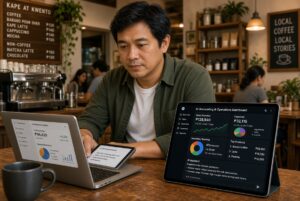
Whether it is a local café in Quezon City, a home-based online seller in Cebu, a small construction firm in Davao, or a wellness clinic in Makati, digital visibility is becoming one of the biggest factors that influence business growth.
For many small and medium-sized enterprises or SMEs in the Philippines, the challenge is no longer simply offering a good product or service. The challenge now is making sure people can actually find and trust the business online.
Filipino Consumers Have Changed
Consumer behavior in the Philippines has changed dramatically because of smartphones, social media, e-commerce, and digital platforms.
Today, people rarely buy something without first searching online. Before ordering food, booking a hotel, hiring a service provider, or buying from an online seller, many consumers first look at Facebook pages, Google reviews, TikTok videos, websites, and online articles.
Even older generations are becoming more digitally dependent when making purchasing decisions.
This shift became even stronger after the pandemic, when many Filipinos became more comfortable with online transactions, digital payments, delivery services, and e-commerce platforms.
As a result, businesses that have strong online visibility are often the ones getting more attention, inquiries, and customer trust.
Unfortunately, many small businesses in the Philippines are still struggling to keep up.
Some businesses rely only on Facebook pages without websites. Others post inconsistently online or fail to optimize their digital presence properly. Some entrepreneurs still believe that digital marketing is only necessary for large corporations.
But in today’s environment, even small local businesses are competing online whether they realize it or not.
Visibility Creates Trust
One of the biggest changes in the digital age is how trust is formed.
Years ago, trust came mostly from physical presence and personal referrals. Today, trust is often built online before a customer even speaks to a business owner.
If people search for a business and see updated information, good reviews, active social media pages, articles, or a professional website, they are more likely to feel confident about the brand.
On the other hand, businesses with weak online presence may unintentionally appear less credible even if their products or services are good.
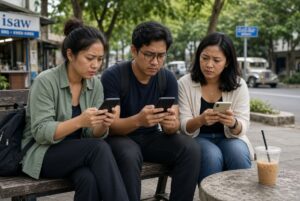
This is especially important in the Philippines today because consumers have become more cautious due to the growing number of online scams, fake sellers, impersonation pages, and fraudulent transactions.
People now look for signs that a business is legitimate.
They check whether the company appears on Google, whether it has reviews, whether the website looks professional, whether customers are engaging online, and whether there are articles or mentions about the business.
In many ways, digital visibility itself has become part of a company’s reputation.
Social Media Alone Is No Longer Enough
For years, Facebook has been the primary digital tool for many Filipino SMEs. While social media remains extremely important, relying only on Facebook or Instagram is becoming risky.
Algorithms constantly change. Organic reach is becoming harder to sustain. Paid advertisements are getting more expensive because of increasing competition.
At the same time, younger consumers are now discovering businesses through multiple platforms including TikTok, YouTube, Google Search, LinkedIn, and even AI-powered search tools.
This means businesses can no longer depend on one platform alone.
Having a strong website, searchable content, Google visibility, and a broader digital presence can help businesses remain discoverable even when social media trends or algorithms change.
The businesses that are growing today are often the ones building visibility across several digital channels rather than depending entirely on a single app or platform.
SEO Is Becoming Essential for SMEs
Many Filipino entrepreneurs still think search engine optimization or SEO is too technical, expensive, or only meant for large companies.
But in reality, SEO is becoming one of the most important investments for SMEs because it directly affects discoverability.
When people search online for products, services, or solutions, businesses with stronger SEO are more likely to appear in search results.
This matters because consumers often trust businesses that appear prominently on Google.
For example, if someone searches for “best coffee shop in Manila,” “event stylist in Cebu,” or “reliable contractor in Davao,” the businesses that appear first are often perceived as more established and trustworthy.
SEO also has long-term benefits. Unlike paid ads that stop once the budget runs out, good search visibility can continue generating inquiries and traffic over time.
For SMEs trying to maximize limited marketing budgets, this can become a sustainable way to build brand awareness and attract customers organically.
AI Search Is Changing Everything
Another major shift happening globally is the rise of artificial intelligence in online search.
Platforms like Google AI Overviews, ChatGPT, Gemini, and other AI-powered systems are beginning to change how people discover businesses and information online.
Instead of simply showing a list of websites, AI tools now summarize answers, recommend businesses, and provide curated information to users.
This means businesses with stronger digital authority, credible content, online mentions, and optimized websites may become more visible in AI-generated recommendations.
For Filipino SMEs, this creates both opportunities and risks.
Businesses that invest early in digital visibility, content, SEO, and online credibility may benefit significantly as AI-powered search becomes more common.
Meanwhile, businesses with weak digital footprints may become increasingly invisible online even if they offer competitive products or services.
This is why digital visibility in 2026 is no longer just about social media marketing. It is increasingly connected to how search engines and AI systems understand and recognize brands online.
Content Is Becoming a Competitive Advantage
Content is also becoming one of the strongest tools for small businesses today.
Customers no longer just want products. They want information, authenticity, and connection.
Businesses that publish useful articles, videos, insights, tutorials, or stories often build stronger engagement and credibility online.
For example, a wellness clinic sharing health advice, a restaurant posting food stories, or a real estate company discussing market trends can strengthen customer trust while improving online visibility at the same time.
Good content also helps businesses appear more authoritative to search engines and AI platforms.
This is why more companies are investing in blogs, video marketing, PR articles, interviews, and educational content as part of their growth strategies.
Digital Visibility Will Define Future Growth
As competition continues increasing in the Philippines, digital visibility may become one of the biggest factors separating growing businesses from struggling ones.
Businesses that are easy to find online will likely have better chances of attracting customers, partnerships, and opportunities.
Those that remain digitally invisible may eventually lose attention to competitors that invest more aggressively in online presence and authority-building.
The good news is that SMEs do not necessarily need massive budgets to improve visibility. What matters more is consistency, strategy, credibility, and understanding how consumers now behave online.
Even small improvements such as updating websites, improving SEO, publishing helpful content, collecting customer reviews, and strengthening branding can make a significant difference over time.
Conclusion
The reality for Filipino small businesses in 2026 is clear: digital visibility is no longer optional.
Consumers today search online before they trust, inquire, or buy. Search engines, AI platforms, reviews, content, and online reputation now influence business success more than ever before.
For SMEs in the Philippines, this means that being “good” at what you do is no longer enough if people cannot find or recognize your business online.
The businesses that adapt early to this changing digital landscape may gain stronger customer trust, better discoverability, and more sustainable growth in the years ahead.
Because in today’s economy, visibility is no longer just marketing.
It is credibility, relevance, and survival.