Money News PH | The Complete Guide to Online Lending in the Philippines (2026)
Regulation, Market Growth, Consumer Protection, and the Future of Digital Credit
Online lending has become one of the most transformative developments in the Philippine financial sector. Powered by smartphones, fintech innovation, and the demand for faster access to credit, digital lending platforms are reshaping how individuals and small businesses obtain financing.
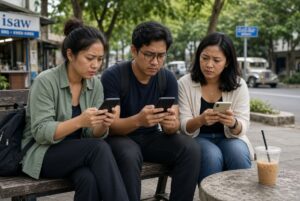
Over the past decade, millions of Filipinos have turned to mobile loan applications and digital credit platforms to address short-term financial needs, from emergency expenses to small business capital. At the same time, the growth of online lending has raised important questions about consumer protection, regulatory oversight, and responsible lending practices.
This guide explains how online lending works in the Philippines, how it is regulated, and how borrowers can safely navigate digital credit platforms.
What Is Online Lending?
Online lending refers to digital platforms that allow borrowers to apply for and receive loans through mobile applications or websites without visiting a traditional bank branch.
These platforms rely on technology to streamline the entire lending process, including:
• identity verification
• credit risk assessment
• loan approval
• digital fund disbursement
• repayment through electronic channels
Digital credit is particularly attractive because of its speed and convenience, allowing borrowers to apply for loans anytime using their smartphones.
According to financial sector research, digital credit—often offered via mobile platforms—has expanded rapidly in emerging markets as technology allows lenders to reach previously underserved populations.
The Growth of Digital Lending in the Philippines
The Philippines has emerged as one of Southeast Asia’s most dynamic fintech markets.
The country’s fintech industry generated approximately USD 1.15 billion in revenue in 2025, with projections indicating it could grow to USD 4.66 billion by 2034, reflecting strong demand for digital financial services.
Several factors are driving the rapid expansion of online lending.
1. Large Unbanked Population
Millions of Filipinos remain outside the traditional banking system, making alternative credit channels essential.
Digital lending platforms help address this gap by providing access to credit for individuals who may lack formal banking relationships.
2. Mobile and Internet Adoption
Smartphone penetration and digital payment adoption continue to rise in the Philippines.
The increasing use of mobile devices allows fintech companies to reach consumers nationwide through digital platforms.
3. Demand for Faster Credit
Traditional bank loans often involve lengthy approval processes. Digital lenders offer faster alternatives by using automated systems and digital identity verification.
Market research estimates the Philippine online lending market is already worth around PHP 56 billion, driven by demand for quick and accessible credit.
How Online Lending Platforms Work
Most digital lending platforms follow a similar process for evaluating and approving loan applications.
Step 1: Application
Borrowers submit applications through a mobile app or website.
Common requirements include:
• personal information
• government identification
• employment or income details
Step 2: Identity Verification
Lenders verify borrower identity using digital tools such as:
• ID verification systems
• mobile number authentication
• credit assessment models
Step 3: Credit Evaluation
Platforms use risk assessment algorithms to determine whether the borrower qualifies for a loan.
Step 4: Loan Approval and Disbursement
If approved, funds are typically transferred through:
• bank transfers
• digital wallets
• remittance channels
Step 5: Repayment
Borrowers repay the loan using electronic payment systems, usually through mobile wallets or bank transfers.
Regulation of Online Lending in the Philippines
Because online lending involves financial services and personal data processing, the industry is governed by multiple regulatory frameworks.
Securities and Exchange Commission (SEC)
The Securities and Exchange Commission (SEC) regulates lending and financing companies in the Philippines.
One key regulatory issuance is SEC Memorandum Circular No. 18, Series of 2019, which prohibits unfair debt collection practices, including harassment, intimidation, and public shaming of borrowers.
Violations of the circular may result in penalties, including fines and suspension or revocation of a company’s license to operate.
In addition, online lending platforms must register with the SEC and comply with licensing requirements before offering loan services.
The SEC has also taken enforcement actions against illegal operators, issuing cease-and-desist orders against companies violating lending regulations.
Data Privacy Act of 2012
Online lending platforms collect personal information from borrowers, which means they must comply with the Data Privacy Act (Republic Act 10173).
The National Privacy Commission (NPC) regulates how personal data is collected, stored, and used by lending companies.
The NPC has specifically warned that online lenders cannot harvest phone contact lists or personal data from borrowers’ devices for harassment or debt collection purposes.
The commission has also pursued enforcement actions against lending companies that violated data privacy laws through abusive practices.
Bangko Sentral ng Pilipinas (BSP)
Financial institutions supervised by the Bangko Sentral ng Pilipinas must follow consumer protection regulations that prohibit abusive collection practices.
These rules ensure borrowers are treated fairly and that lending operations comply with national financial regulations.
Legislative Developments
Lawmakers are also exploring additional legislation to strengthen consumer protection in debt collection.
In 2026, the Philippine Senate approved the Fair Debt Collection Practices Act under Senate Bill No. 1744 on third reading, which aims to establish clearer rules governing debt collection practices.
The proposed law seeks to prohibit:
- harassment or abusive communications
- threats of violence
- deceptive legal representations
- public humiliation of borrowers
If enacted, the law would create a unified national framework for regulating debt collection conduct.
Risks and Challenges in Online Lending
While digital lending offers convenience and accessibility, the industry also faces several challenges.
Illegal Lending Apps
Authorities have identified numerous unregistered lending applications operating without proper licenses.
These apps may engage in abusive practices or misuse borrower data.
Data Privacy Concerns
Some lending applications have been accused of accessing personal data beyond what is necessary for loan evaluation.
Experts warn that excessive app permissions may expose borrowers to privacy risks.
High Interest Rates
Research indicates that interest rates remain a key concern for many consumers, with surveys showing that high borrowing costs deter some individuals from using digital credit platforms.
How Borrowers Can Protect Themselves
Consumers should take several precautions when using online lending services.
Verify the Lender
Borrowers should confirm that the lending company is registered with the SEC.
Read Loan Terms Carefully
Understanding the interest rate, repayment schedule, and penalties is essential before accepting a loan.
Protect Personal Information
Borrowers should avoid sharing unnecessary personal data or granting excessive app permissions.
Avoid Scam Lending Apps
Consumers should only use reputable platforms and report suspicious lending operations to authorities.
The Future of Digital Lending in the Philippines
Digital lending is expected to continue expanding as fintech innovation accelerates.
Industry projections suggest continued growth driven by:
• financial technology innovation
• digital identity verification tools
• alternative credit scoring models
• improved regulatory frameworks
The Philippine fintech ecosystem is already expanding rapidly, with growing investment and an increasing number of financial technology companies operating in the country.
At the same time, regulators are likely to maintain strong oversight to ensure that digital lending platforms operate responsibly.
Conclusion
Online lending has become a powerful tool for expanding access to credit in the Philippines.
For millions of Filipinos who lack access to traditional banking services, digital lending platforms offer a convenient and accessible way to obtain financing.
However, the long-term success of the industry depends on responsible lending practices, strong regulatory oversight, and robust consumer protection safeguards.
As fintech innovation continues to reshape financial services, the Philippines is likely to remain one of Southeast Asia’s most dynamic markets for digital finance—provided that innovation is balanced with accountability and transparency.